
Full-House RepipingBuilt To Last
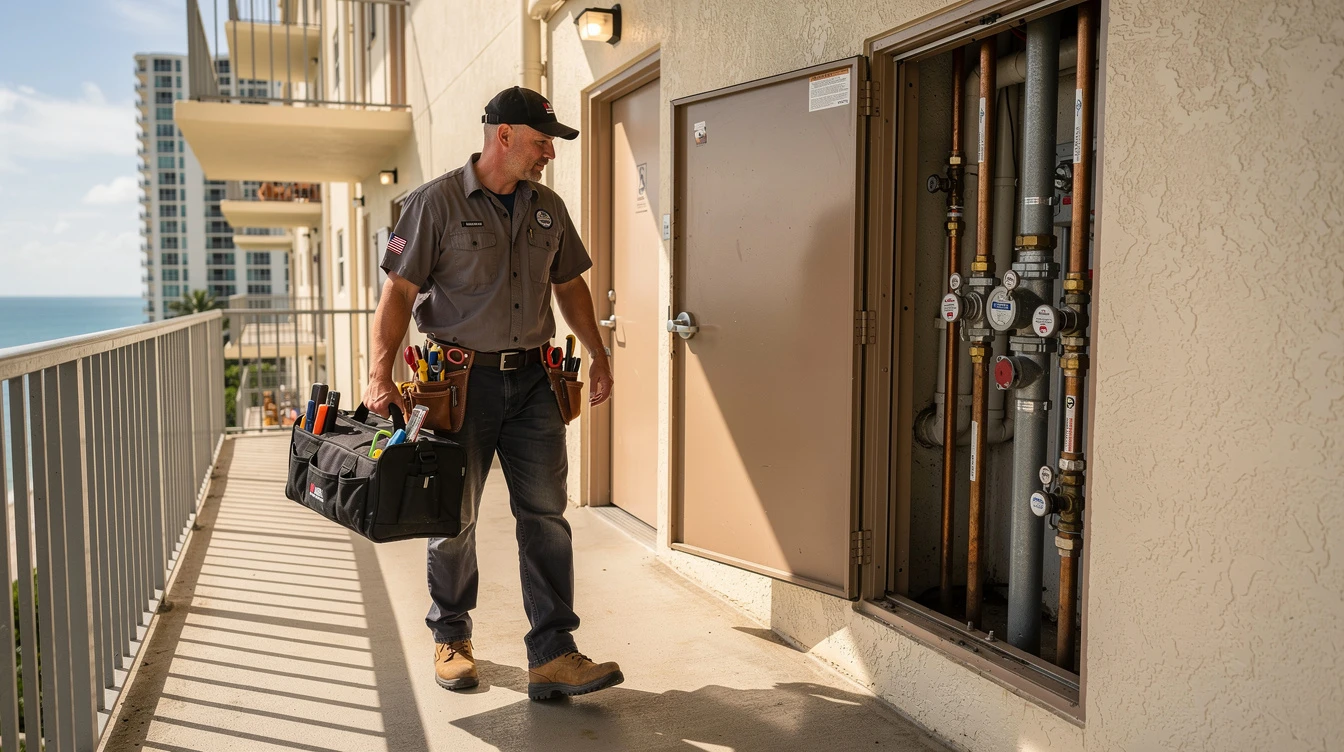
Discolored water first thing in the morning, a shower that fades to nothing the second someone runs the dishwasher, or a third pinhole leak this year: those are symptoms of supply lines that have simply worn out. We remove the failing galvanized, polybutylene, or leaking copper and install new copper or PEX, staged so your household still has water every night of the job.
When to stop patching and start replacing
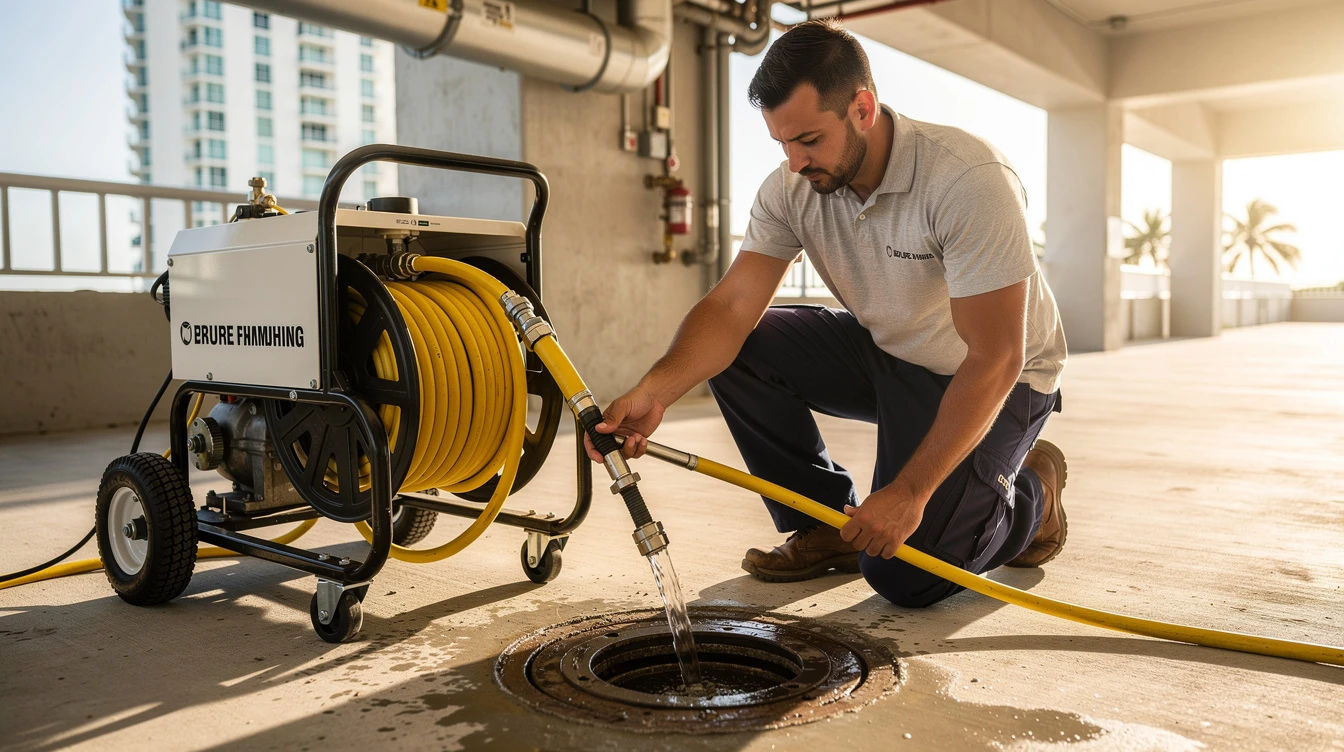
One leak is a repair. Three leaks from the same aging system in a single year is a pattern, and patterns cost more to keep chasing than they do to solve outright. If two or more of the following sound familiar, a full repipe is usually cheaper over time than another round of spot repairs.
Weak Flow Every Time A Fixture Runs
Scale buildup narrows old galvanized or copper from the inside until a shower drops to a trickle the moment the washing machine kicks on. New lines restore full-bore pressure to every fixture at once.
Discolored Water At The Tap
Rust-tinted or cloudy water, especially after the house sits overnight, means the interior of your galvanized pipe is corroding. Filters mask the taste but do nothing for the pipe wall itself.
Pinhole Leaks Showing Up Repeatedly
Once copper starts weeping in one section, similar failures are usually forming elsewhere along the same run. Replacing the whole system stops the cycle instead of soldering one spot after another.
A Home Still Running Polybutylene
Gray poly supply line was installed widely through the 1980s and tends to fail suddenly at the fittings with little warning. Many insurers now decline to renew coverage until it's replaced.
A Damp Or Warm Spot On The Floor
Unexplained water sounds, a warm patch of tile, or a water bill that jumped for no reason can point to a line failing beneath the slab. Rerouting the supply overhead is usually far less invasive than breaking concrete.
Your Policy Renewal Got Flagged
Carriers across the coast are non-renewing homes over aging galvanized or poly lines. A documented repipe, complete with permit and inspection paperwork, is often exactly what gets a policy reinstated.
Copper or PEX: we'll help you pick right
Copper is the rigid, decades-proven standard and still the material many owners want for visible runs. PEX flexes around framing, needs fewer joints, tends to shrug off the mineral scale that eats at copper in South Florida water, and often keeps the drywall openings smaller. Both meet code and both come with a written warranty from us. During the walkthrough we count fixtures, trace every run, and lay out the tradeoffs so the decision is yours. If your drain lines are the older cousin to your supply lines, ask us about cast iron pipe replacement at the same time.
From walkthrough to warranty
Walkthrough & Fixture Survey
We trace every existing run, count fixtures, and when a slab or hidden leak is suspected, we bring in leak detection to confirm it. You leave the visit with a real day count and a flat price before any wall opens.
Permit Filed, Home Protected
We file the permit with your building department, lay down floor protection, cover furniture, and open only the number of access points the routing actually requires.
New Lines Run Through The House
Fresh copper or PEX is routed to every fixture through attic and wall cavities while the old failing lines are abandoned or pulled out. Work is staged so water comes back on each evening.
Pressure Test, Then City Inspection
The new system is charged and checked joint by joint, then we schedule the city inspection so the job is signed off as code-compliant, the paperwork carriers look for on older homes.
Drywall Closed, Home Cleaned Up
Access openings are closed per the scope we agreed on up front, floors are wiped down, and full pressure is running at every fixture before the crew leaves.
Warranty And Records In Hand
You get a written warranty covering pipe and labor along with the filed permit and inspection paperwork, everything you'd want on file for your insurer or for a future sale.
Every repipe estimate is different
Repiping sounds like a big undertaking, and it is, but a clear plan keeps it manageable, and the price depends entirely on your specific house. Here's what actually drives the estimate up or down, so the final number makes sense before you sign off.
- Fixture countEvery sink, tub, and hose bib adds a run, so a one-bath home moves quicker than a four-bath house.
- Pipe materialCopper and PEX carry different material costs and different amounts of wall access needed to route them.
- House footprintA single-story slab home is straightforward compared to a two-story where lines climb through multiple walls.
- Reaching the runsAn open attic is a quick job; lines buried behind finished tile or tight chases take longer to access.
- Drywall scopeHow many access openings we close is spelled out as part of the estimate, not decided after the fact.
- Permit paperworkFiled and inspected work is code-compliant and gives you the documentation insurers ask about on older systems.
Rooted in Hallandale Beach, reaching three counties
Broward
- Hallandale Beach
- Hollywood
- Dania Beach
- Pembroke Park
- Miramar
Miami-Dade
- Aventura
- North Miami Beach
- Sunny Isles Beach
- Miami
- Golden Beach
Palm Beach
- Boca Raton
- Delray Beach
- Boynton Beach
- West Palm Beach
- Wellington
What homeowners say after the repipe
"Our shower had been down to a dribble for months and nobody could tell us why. Turned out it was scale clogging the old copper. They repiped the whole condo in PEX in under three days and every faucet runs like new construction now."
"Our insurance renewal got denied over polybutylene we didn't even know was in the walls. This crew pulled the permit, did the repipe, patched every opening, and the inspection report was exactly what our agent needed."
"Second pinhole leak in the same wall told us it was time. They came out, counted every fixture, gave one flat number, and stuck to it. Water pressure through the whole house is completely different now."
"Noticed a warm patch on the kitchen floor and a water bill that made no sense. Rather than jackhammer the slab, they rerouted the line overhead. Cleaner and faster than I expected, and every wall they opened got patched properly."
Repiping FAQ
How long is my house without water during a repipe?
During working hours only, and we turn it back on before the crew leaves each day. Most homes finish in two to four full days depending on fixture count, one story versus two, and how accessible the attic and walls are. A one-bath home moves faster; a bigger house with multiple baths runs toward the longer end. We give you a realistic timeline at the walkthrough, not a guess.
Copper or PEX: which one is actually better?
Neither is universally right. Both are code-approved and both come with our written warranty. Copper is rigid and time-tested, and some owners simply prefer it. PEX flexes through framing, needs fewer joints, resists the scale that shortens copper's life in our water, and usually calls for smaller drywall openings. We walk your home, look at your existing plumbing, and tell you which fits your budget and layout best, then let you decide.
Will you have to cut holes in my walls?
Some access points are unavoidable to reach every fixture, but we keep them to the minimum and map them out before we start, so it's part of your estimate rather than a surprise. We close and patch every opening we make. Texture matching and paint are usually a separate line item, and we'll tell you plainly whether that's included or not before you sign anything.
Do you pull the permit and schedule the inspection?
Always. A repipe is permitted work, so we file with your local building department and schedule the inspection ourselves as part of the job. That sign-off makes the work official and code-compliant, and it's precisely the record many insurers ask for when a home still shows old galvanized or poly lines on file. We keep copies for you.
My policy was flagged for polybutylene. Can you fix that?
Yes, this is one of the more common calls we get. Gray polybutylene supply lines, common in homes built through the 1980s along this stretch of the coast, tend to fail suddenly at the fittings, and carriers have gotten strict about it. Swapping the poly for a permitted, inspected copper or PEX system typically satisfies the underwriter and removes the risk of a sudden failure flooding your floors.
Request A Repipe Estimate
Stop patching, start with new pipe
Whether it's tired galvanized, risky polybutylene, or copper that keeps springing pinholes, we replace it with new copper or PEX, permitted, inspected, and staged so your water is back on each evening. Licensed and insured, with a written warranty, serving Broward, Miami-Dade, and Palm Beach from our Hallandale Beach base.
Call (954) 613-1030