Rebuild YourSewer Line From Inside
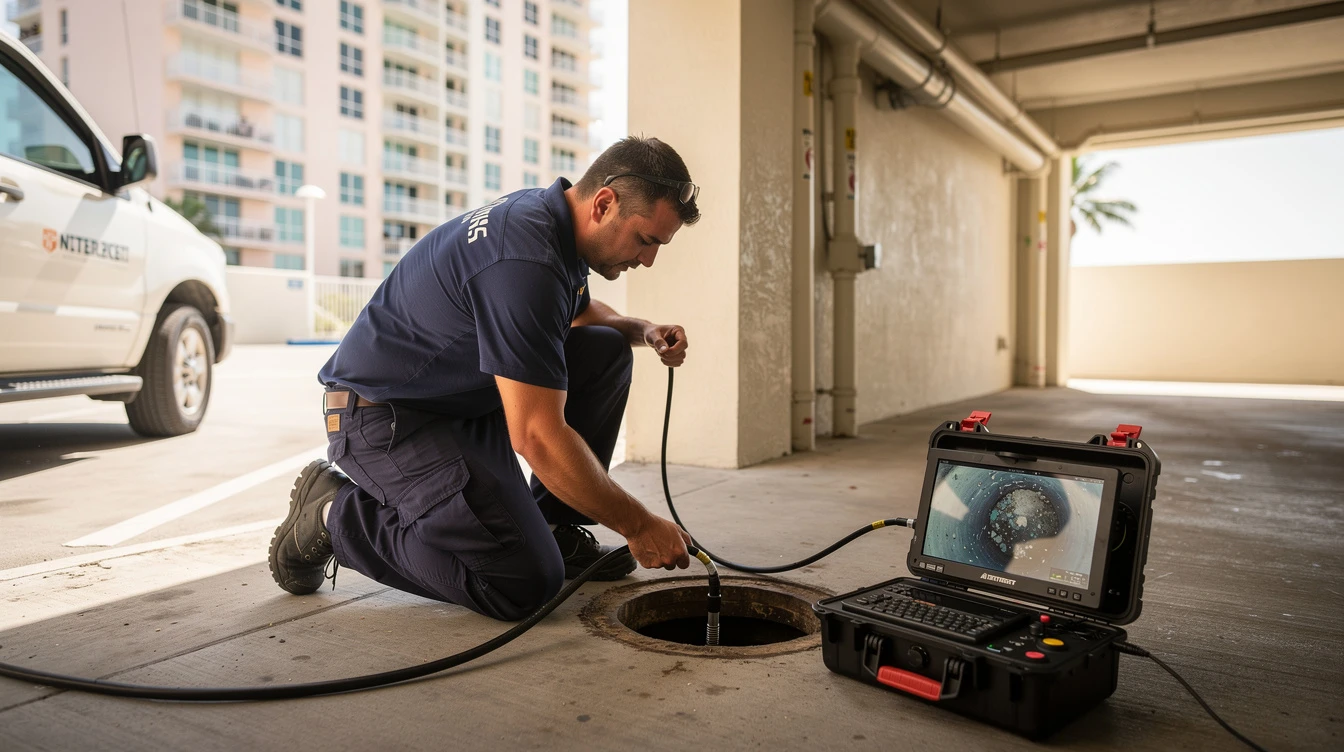
A collapsing sewer lateral doesn't have to mean a demolished lawn. Our crews rebuild the pipe in place using cured-in-place lining and pipe bursting, working through a small access pit instead of a trench across your property.
What we look for before recommending it
Roots Coming Back Every Season
If a cable machine has cleared your line more than once this year, roots are almost certainly working through hairline cracks or open joints. A cured-in-place liner closes those gaps for good instead of buying you another few months.
Cracks, Flaking, or Offset Joints
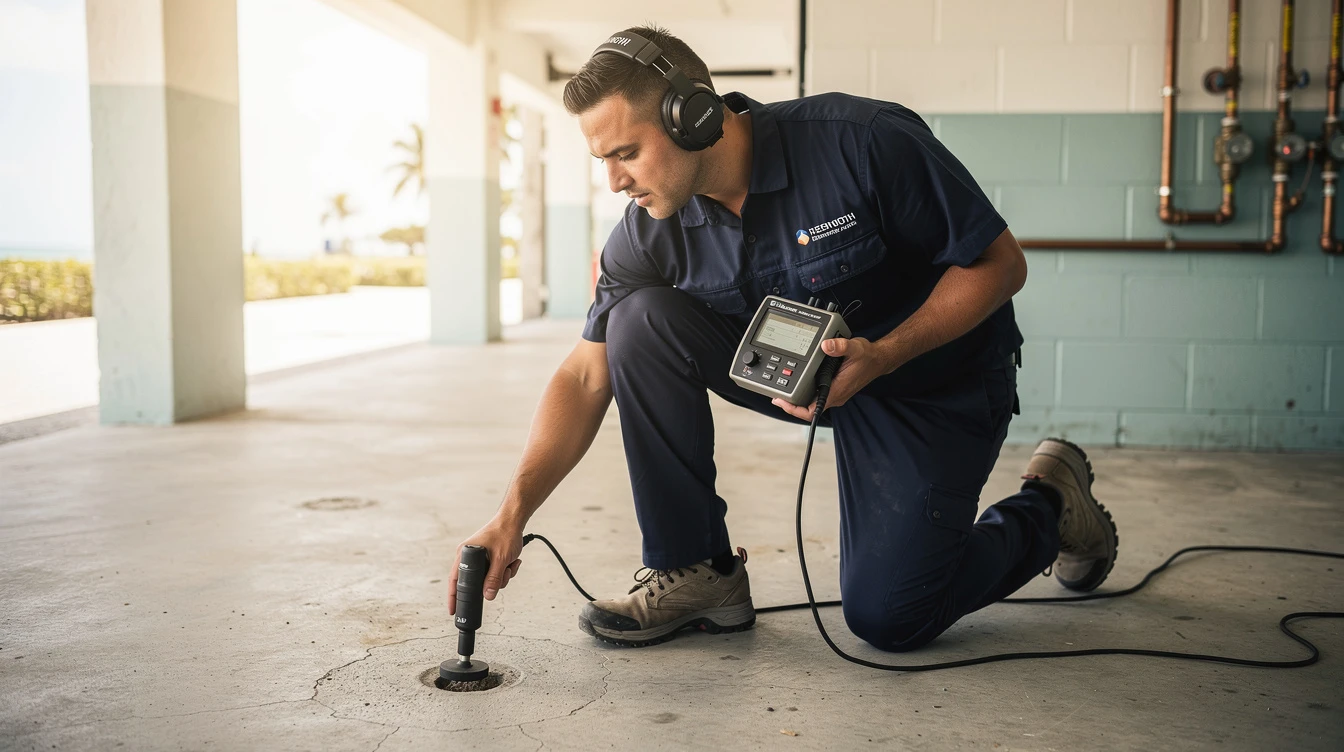
Our camera often finds hairline fractures or scaling in older cast iron that hasn't fully collapsed. That's the sweet spot for lining: the shape is still there, we just need to rebuild the interior wall.
Line Runs Beneath Your Driveway or Pool Deck
Coastal properties in this area often have the lateral running under a paver drive or a screened lanai. Cutting through that just to reach a pipe usually costs more than the repair, which is exactly when trenchless earns its keep.
Every Fixture Backing Up Together
When the tub, toilets, and washer all drain slowly at once, the problem is usually the main lateral, not any single fixture. Scale buildup or a partial collapse on that shared line is a common trenchless candidate.
When We'll Recommend a Dig Instead
A fully flattened pipe or a low belly holding standing water can't be relined; there's nothing left to bond to and no way to fix a slope from inside. We say so directly rather than sell you a liner that won't hold.
Sewer Scope Flagged Before Closing
If a home inspection found lateral defects ahead of a sale, we can reline the section fast and hand over post-repair footage for the buyer's file, no torn-up yard to explain at the walkthrough.
Lining versus bursting, explained plainly
With cured-in-place lining, we thread a felt tube soaked in resin through the existing pipe, inflate it against the interior wall, and let it harden into a smooth, seamless pipe within the old one. Cracks get bridged and root paths get sealed, all without disturbing the ground above. Pipe bursting is the tool we reach for when the old pipe is too damaged to reline, or when a lateral needs to be upsized: a bursting head shatters the failing pipe outward while pulling a new HDPE pipe in behind it, all through the same one or two access points. We don't guess which method fits. The camera inspection tells us, and we walk you through the footage before recommending either one.
From first camera pass to final walkthrough
Scope and Map the Defects
A self-leveling camera runs the full length of the lateral through an existing cleanout, pinpointing depth and location of every crack, offset, or root mass on the recording.
Hydro-Jet the Host Pipe
Before any resin goes in, high-pressure jetting strips scale, grease, and roots from the pipe wall. A clean surface is what lets a liner bond properly instead of failing early.
Open One Access Point
Most single-family laterals only need one small pit dug at a cleanout or property line, not a continuous trench running the length of the yard.
Pull the Liner or Burst the Pipe
For CIPP jobs the saturated liner is inverted into place and inflated against the wall. For bursting, the head is winched through while new HDPE is drawn in right behind it.
Cure and Reopen Branch Lines
Once the resin cures, a robotic cutter reopens any branch connections so wastewater flows exactly as it did before, just through a stronger pipe.
Verify and Hand Over Warranty
A final camera run confirms a clean, full-bore pipe end to end. You get that footage plus a written parts and labor warranty before we pack up.
What actually drives your quote
Every lateral is a little different once you see it on camera. Here's what moves a trenchless estimate up or down before we ever write a number.
- Total footage and pipe diameter a short kitchen branch costs less to reline than a long 6-inch main run.
- Lining versus bursting the two methods use different materials and equipment, so the camera findings shift the estimate.
- Access difficulty a cleanout buried under a slab foundation takes more setup time than one sitting right by the property line.
- Branch connections to reinstate each tie-in that needs robotic reopening after lining adds to the labor total.
- Condition inside the pipe heavy scale in old cast iron or a dense root mass means more jetting time before install.
- Permitting requirements some municipalities in the Hallandale Beach area require inspection sign-off before a lateral repair closes out.
Trenchless crews across the tri-county area
Broward
- Hallandale Beach
- Hollywood
- Fort Lauderdale
- Pembroke Pines
- Davie
- Miramar
Miami-Dade
- Aventura
- Miami
- North Miami Beach
- Sunny Isles Beach
Palm Beach
- Boca Raton
- Deerfield Beach
- Pompano Beach
Lines rebuilt, landscaping left alone
"Our old cast iron lateral was cracked in two spots and roots kept coming back. They lined the whole run through one small pit near the street and our new sod never got touched. Footage before and after made it obvious it was fixed."
"They scoped the line first and were straight with us: bursting was the better call because the old pipe had a partial collapse near the street. New pipe went in the same day, and they backfilled the one hole they dug the next morning."
"Another company quoted us for a full trench without even running a camera. This crew scoped it first, found the damage was localized, and lined just that section. Saved our driveway and a lot of money."
"Our home inspection flagged the sewer scope right before closing. They came out fast, relined the section, and gave us the video to send the buyer's agent. Closing happened right on schedule."
Trenchless sewer repair, answered
What's the difference between lining and bursting?
Lining works with the pipe you already have: a resin-soaked liner is pulled in, inflated, and cured so it forms a hard new inner wall inside the old one. Bursting replaces the pipe entirely by fracturing it outward while a new HDPE pipe is pulled into the same path. Lining is generally the less invasive option; bursting comes in when the existing pipe is too collapsed or undersized for a liner alone.
Will this actually cost less than digging up my property?
The pipe work itself sometimes carries a higher per-foot price than open trenching, but the full project cost usually comes out lower once you account for tearing out and rebuilding a driveway, pool deck, or established landscaping. On a lot with mature trees or hardscape over the lateral, that restoration bill often outweighs the plumbing itself, which is where trenchless pays off.
How long does a lined pipe actually last?
A well-installed CIPP liner is generally rated around 50 years of service, and HDPE from a bursting job carries a similar rating. Because the finished pipe has no seams, there's nowhere left for roots to get in or for ground movement to pull a joint apart. Reaching that lifespan depends on thorough cleaning beforehand and a properly completed cure, both of which we verify before we consider a job finished.
Is there any pipe damage trenchless can't fix?
Yes, and we'll say so plainly rather than push a method that won't hold. A pipe that has fully collapsed has nothing left for a liner to grip, and a low belly holding standing water is a grade problem that no liner or burst can correct from inside. Those cases need a targeted excavation. The camera inspection is what tells us which situation we're actually dealing with.
How disruptive is this to my household?
Most trenchless jobs on a single-family home wrap up in one to two days, working through a single pit rather than a trench across the yard. You'll want to limit water use during the resin cure window, but there's no long stretch of torn-up concrete or sod to live around. We backfill the one access point and leave the area clean before we call it done.
Request a Camera Scope
Get the pipe fixed, keep the property intact
Start with a camera scope so we can show you exactly what's happening underground, then we'll recommend lining, bursting, or a targeted repair with a clear price before any work begins. Serving Hallandale Beach and the surrounding tri-county area.
Call (954) 613-1030